XTT: Making Limited Training Time Count
How X-Ten-Trainer grew from a simple question: how can a competitive recreational archer make limited training time more productive?

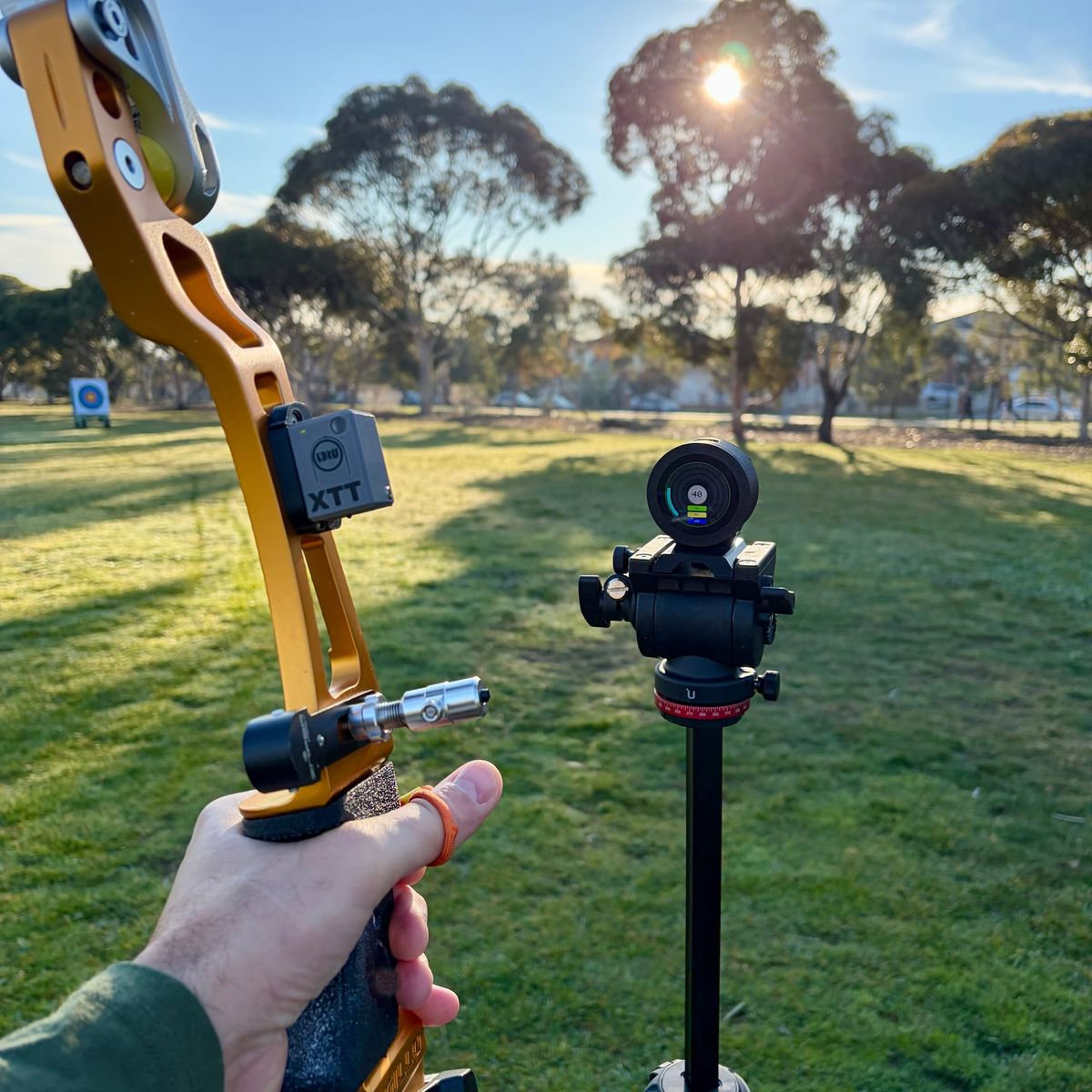
Why I started building X-Ten-Trainer, what I want it to become, and why this project is about more than collecting another graph full of data.
I sometimes describe myself as a weekend-warrior archer.
I shoot recreationally, but I am also competitive. I train because I want to improve, and when I enter a competition I want to do as well as I possibly can. I have goals I am chasing, including being competitive near the top of my age group at events such as the Australian Indoor Nationals.
The problem is that archery is not my full-time job.
Like many other archers, I have work, family and everything else that needs to fit into a normal week. Range time therefore tends to happen when I can make it happen. A free evening here, a weekend session there, perhaps an hour squeezed in when circumstances allow.
That makes one question increasingly important:
How do I make the limited training time I have count?
That question is where XTT started.
The target tells you what happened
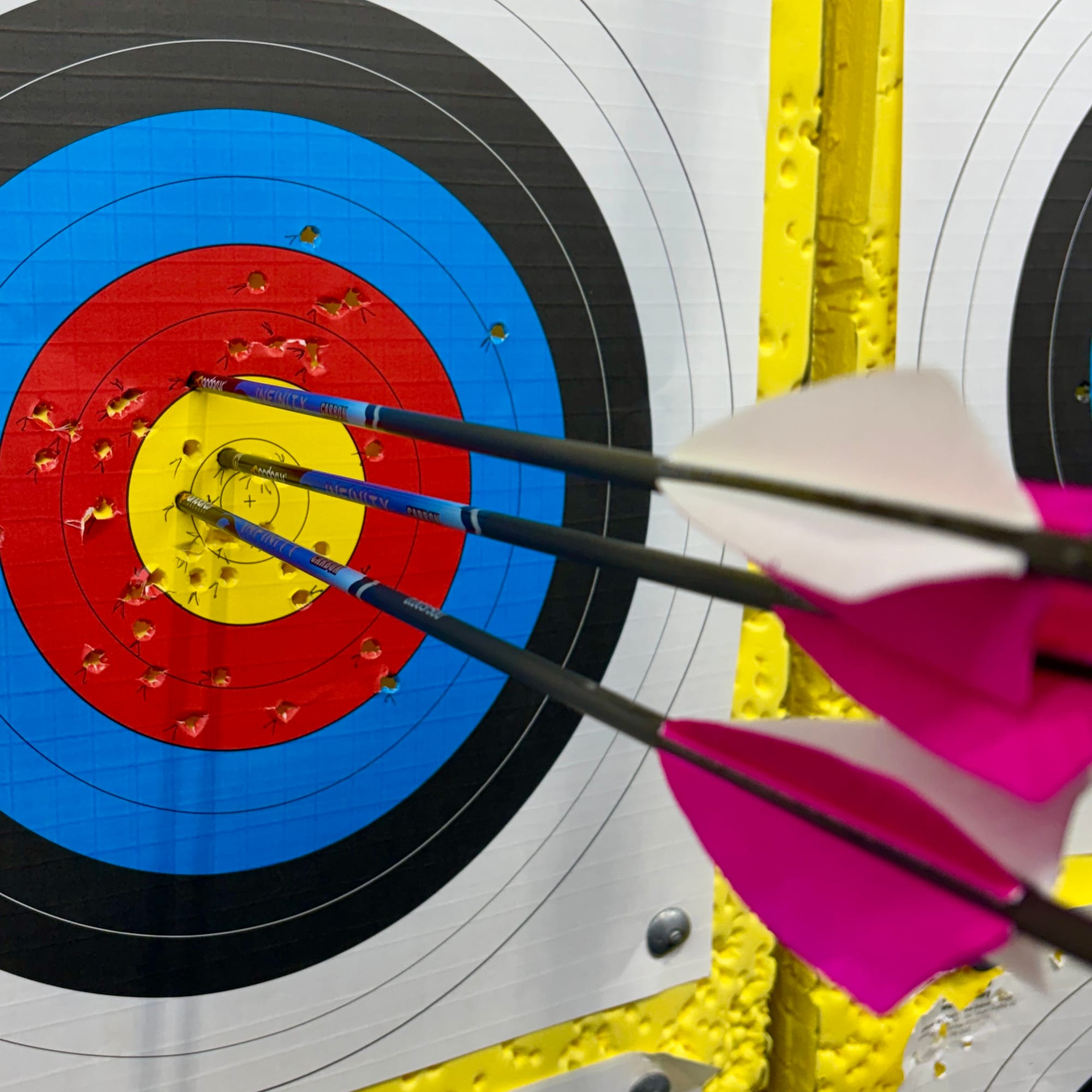
"Why did that arrow go there?" - the target gives us the final result.
An X is an X. A nine is a nine. And the arrow that somehow found the red when the previous two were in the gold is still in the red, regardless of what it felt like when I shot it.
What the target does not always tell me is why.
Was my hold less stable?
Did I start disturbing the bow just before release?
Was there a small hesitation in the execution?
Did I collapse during the shot?
Was the release different from my better arrows?
What happened during follow-through?
A good coach can see a remarkable amount of this, which is one of the reasons coaching is so valuable. But getting regular access to a coach can be difficult when training times are irregular. Even when a coach is standing behind you, some movement happens too quickly or is simply too small to see reliably with the human eye.
I started wondering whether the bow itself could tell us more.
X-Ten-Trainer
XTT stands for X-Ten-Trainer.
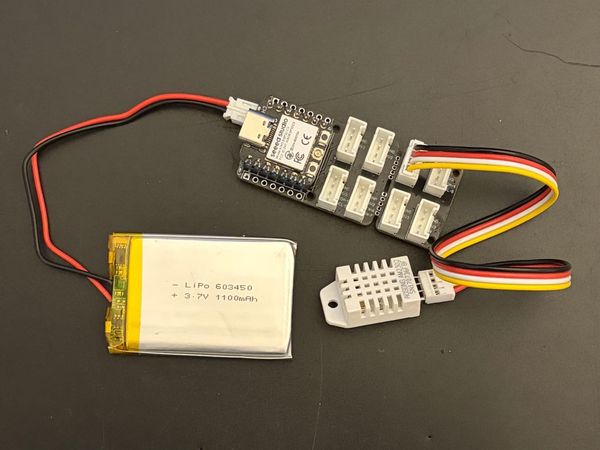
At its simplest, XTT is an experimental archery training system that measures the movement of the bow before, during and after the release and tries to turn those measurements into useful feedback.
The important word there is useful.
Collecting data is relatively easy. Modern inertial sensors can generate an impressive amount of it.
The much harder question is:
What does an archer actually need to know about the next shot?
I do not want to finish an end, open a complicated graph and need a degree in data analysis before I can decide what to work on.
I want something closer to:
- Your aim was reasonably stable.
- Your release was the weakest part of that shot.
- Your follow-through was better than your recent average.
- This part of your execution is becoming more consistent.
The detailed data can still exist underneath. In fact, preserving that data is an important part of the XTT design. But the technology should do some of the work required to turn measurements into information.
I am not the first person to measure a bow
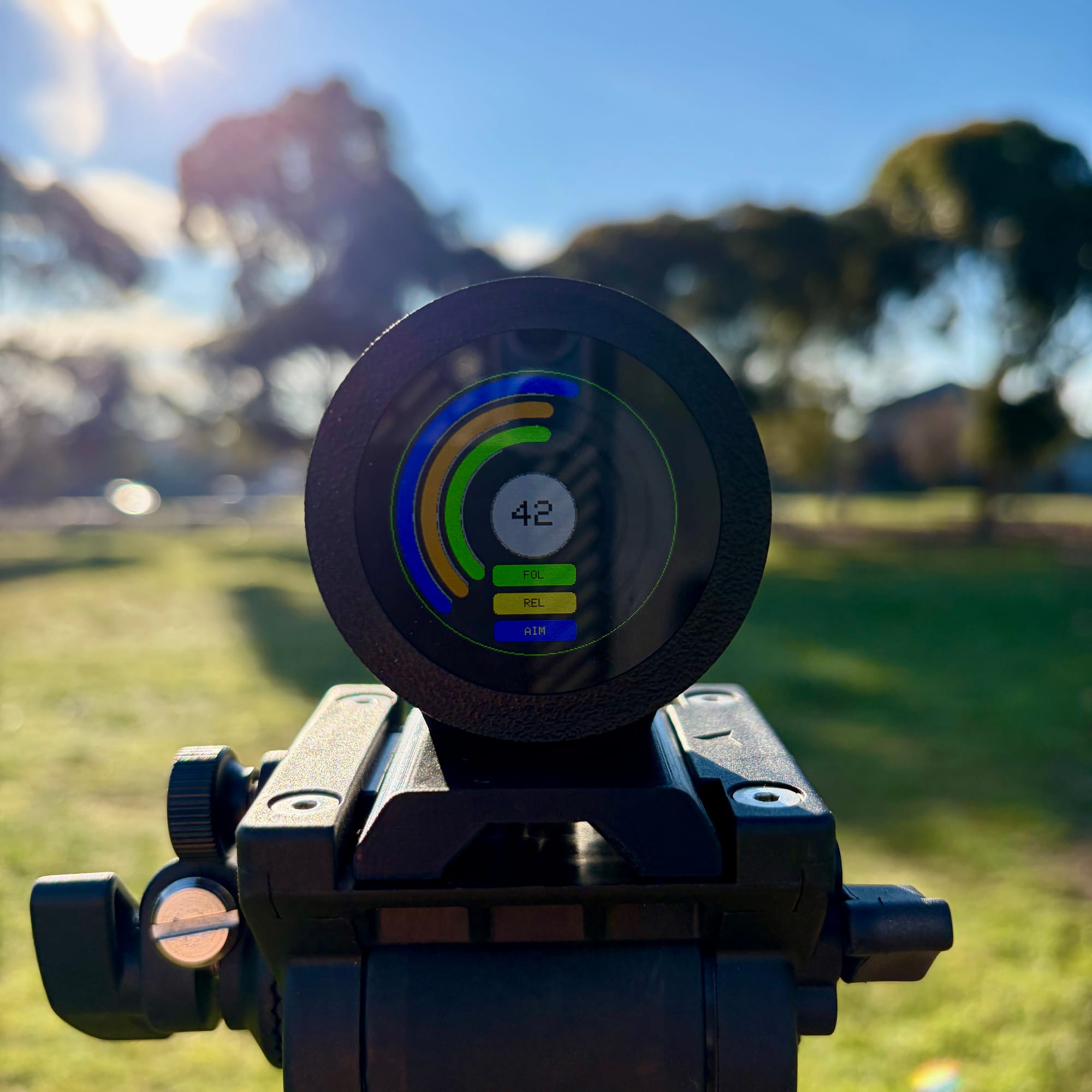
There are already commercial systems that measure archery movement.
Mantis, for example, has its X8 archery system, which mounts an inertial sensor to the bow and uses a phone or tablet application to analyse different phases of the shot. Steady Aim takes a similar sensor-based approach and measures things such as steadiness, drift, cant, hold time and bow vibration.
Those products are useful evidence that motion sensing has a genuine place in archery training.
So XTT is not based on the claim that nobody has done this before.
What interested me was exploring a somewhat different set of design priorities.
I wanted a system that could work at the range without depending on my phone or an Internet connection. I wanted immediate feedback to be simple enough to glance at between arrows. I wanted the underlying measurements to remain available for deeper analysis. And, increasingly, I wanted the system to learn what my shooting looks like rather than compare every archer with the same universal definition of "perfect".
That led to a number of design decisions that have shaped XTT.
The Sensor measures. The Coach interprets.
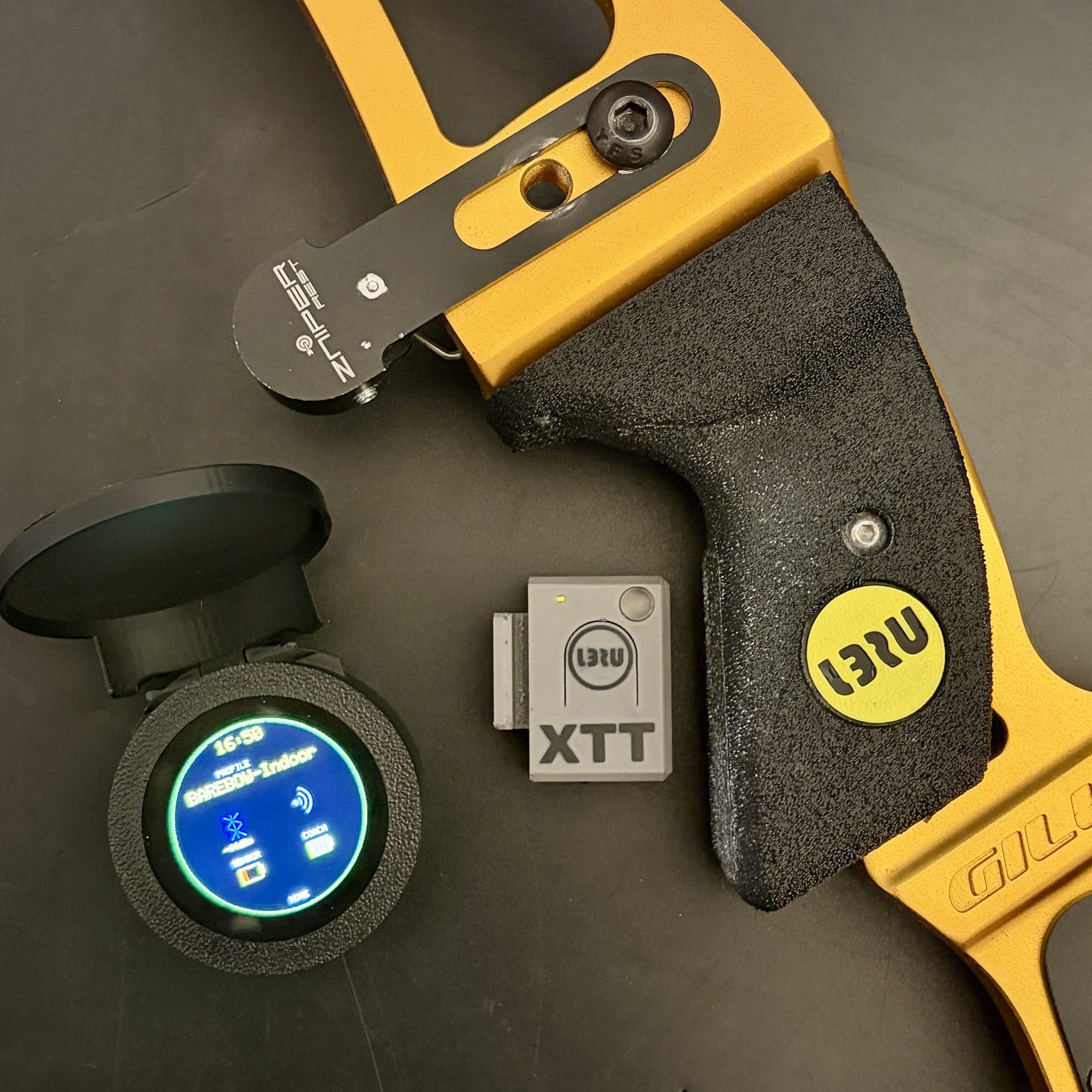
XTT currently has two main physical parts.
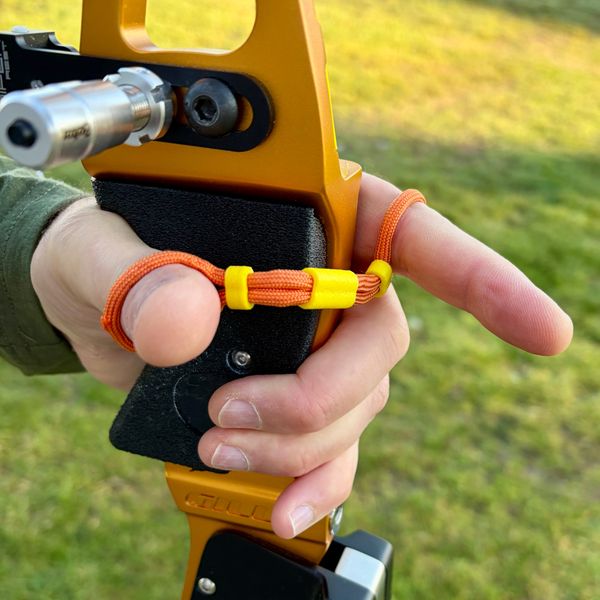
The XTT-Sensor is mounted on the bow. Its job is to measure the physics of the shot, detect important events and extract useful motion information.
The XTT-Coach is the archer-facing device. Its job is to receive that information and turn it into feedback that can be used during training.
A simple way I have come to think about it is:
Sensor = measurement. Coach = interpretation.
Keeping those jobs separate also means the archer does not need to have a phone in hand on the shooting line.
That is deliberate.
I want XTT to behave more like a sports instrument than a miniature computer.
Training tool first
There is another distinction that matters to me.
XTT is not intended to replace a human coach.
If anything, I would like it to become useful to coaches as well.
A coach can see posture, alignment, timing, confidence, body position and countless details that a sensor attached to a bow cannot understand. XTT sees something different: very small bow movements, precise timing and repeatable measurements across hundreds or thousands of shots.
Those two views can complement each other.
In future I can imagine an archer shooting while the coach has the XTT-Coach in hand, using the additional information as another observation tool. With XTT-Cloud, my ambition is eventually to let an archer choose to share deeper historical data with a coach so they can look at patterns across training sessions rather than only the few arrows they happen to watch in person.
The machine should provide evidence.
The coach still provides judgement, context and experience.
Not "AI" because everything suddenly has to be AI
It seems almost compulsory these days to attach the letters AI to anything involving software and data.
That is not how I want to describe the core XTT system.
At its heart, XTT uses sensors, physics, statistics and deterministic software. If the same input goes through the same algorithm, I expect the same result.
One of the project principles is that the raw measurements remain the historical truth. Scores and coaching interpretations sit on top of that data.
Another important principle is that XTT should not assume there is one perfect numerical shot that applies to everybody.
Instead, the system is being designed to build an evolving statistical picture of an individual archer's current capability. The question becomes less:
"Did you pass a universal threshold?"
and more:
"How did this execution compare with what is normal for you?"
That makes the feedback useful to a developing archer without pretending that a score of 100 means there is such a thing as perfect archery.
There may eventually be opportunities to use genuine machine learning or AI in XTT-Cloud for deeper analysis. I am interested in those possibilities. But I do not want to pretend that ordinary signal processing and good engineering suddenly become artificial intelligence because the label is fashionable.
Standalone first. Cloud enhanced. Not cloud dependent.
This has become one of the most important design principles in the project:
Standalone first. Cloud enhanced. Not cloud dependent.
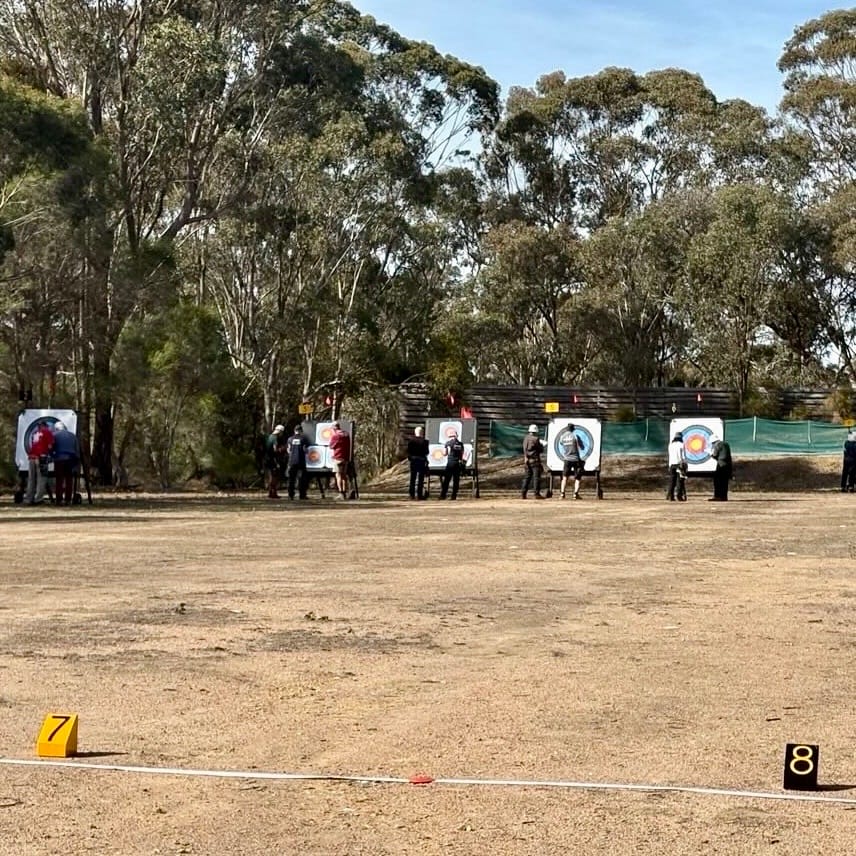
The XTT-Sensor and XTT-Coach should remain useful at a shooting range with no Wi-Fi, no phone reception and no cloud account.
Core training should happen at the edge.
The future XTT-Cloud platform is intended for the things a small field device is not particularly good at: richer graphs, long-term trends, comparison across sessions, equipment profiles, deeper coaching analysis and eventually more advanced intelligence.
The small device should be simple and focused.
The web platform can be deep and powerful.
And if someone wants to take their own data and analyse it in Excel, Python, another analytics package or some future AI tool, I want the architecture to make that possible.
A useful way of summarising that philosophy is:
XTT can give you answers, but the data should still be yours if you want to ask your own questions.
Where I want the project to go
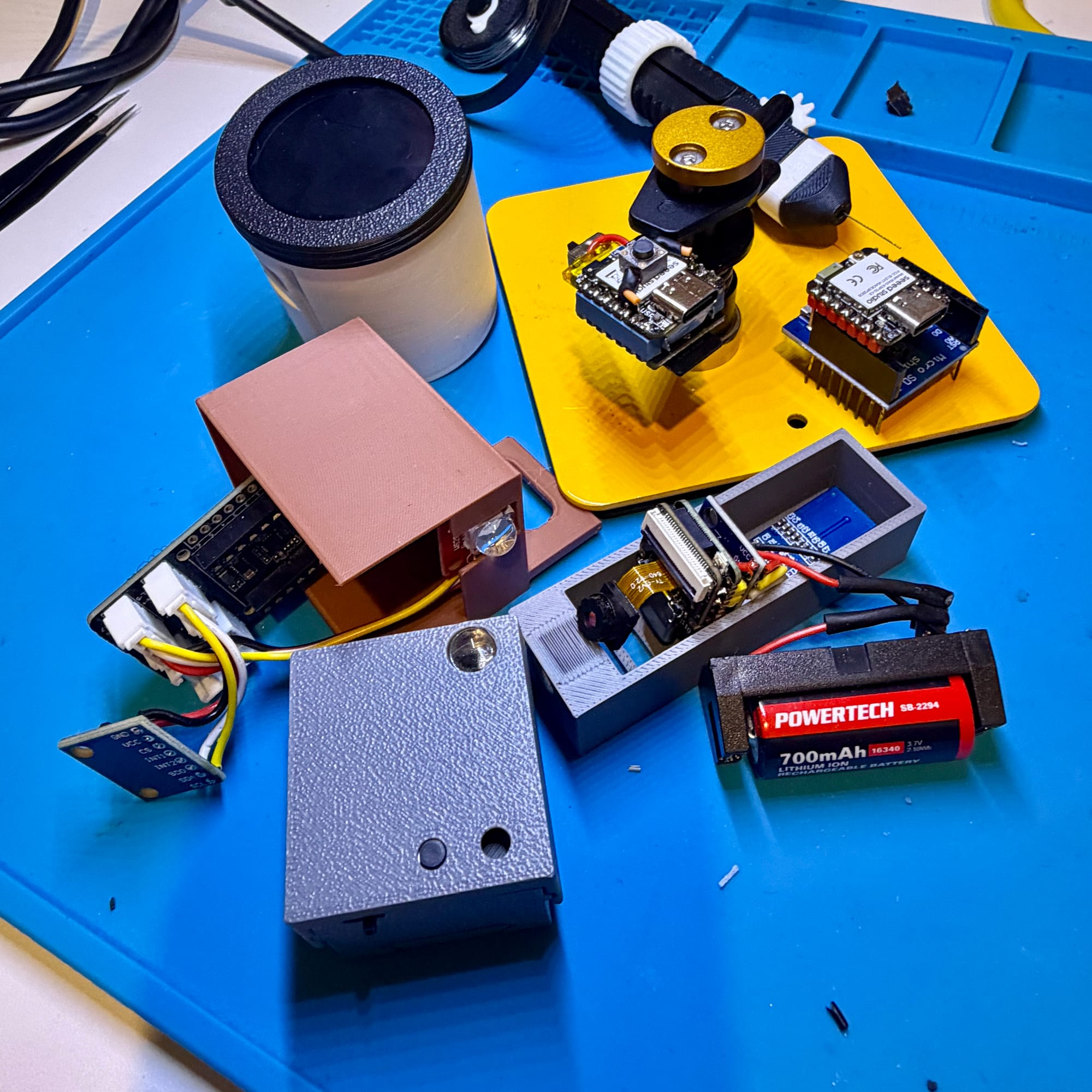
XTT is still a prototype project.
By the end of 2026, my immediate goal is much smaller than launching a commercial product. I would like to have a handful of working systems in the hands of a very small beta group - no more than about five people - so that the ideas can be tested by people other than me.
Some should be archers.
I would particularly like some feedback from coaches.
Before I put prototype hardware in somebody else's hands, however, I want them to be able to understand what they are testing. That is one reason I am starting this series now.
Over the next few months I plan to write about the decisions behind XTT: what we are measuring, why the system has two devices, how a shot can be found inside hundreds of sensor samples, what AIM / RELEASE / FOLLOW actually mean, how personalised baselines work, what failed during development, and what I learn when the prototypes spend more time at a real range.
My current ambition, if the project reaches the level of reliability I want, is to make XTT an open-hardware platform, with the hardware designs and supporting information available so technically minded archers can build their own units. The compiled firmware for the XTT-Sensor and XTT-Coach would also be made available free of charge, with no subscription required to use the core system.
XTT-Cloud may eventually become a paid service because servers, storage and continued development have ongoing costs. If that happens, the goal is for those subscriptions to make the service sustainable - not to hold the basic hardware hostage.
The standalone XTT system should be a complete, useful training tool in its own right, delivering real value at the range without requiring an Internet connection, cloud account or subscription.
XTT-Cloud is intended to build on that foundation - adding deeper analysis, richer visualisation, long-term trends and more advanced coaching insight.
The edge system delivers the core value. The cloud extends what you can do with it.
The experiment continues
There have already been plenty of wrong turns.
Algorithms that seemed sensible until real shooting data disagreed. Thresholds that needed changing. Bluetooth problems. Storage problems. User-interface ideas that worked on a desk and were irritating at the range.
I intend to write about those as well.
I do not want this series to become one of those project histories where every decision looks brilliant in hindsight.
Engineering does not work like that.
The failed experiments are part of how XTT got here, and some of them may be more useful to other people than the pieces that eventually survive into the finished design.
For me, the goal remains fairly simple:
Build a system that helps an archer make limited training time more productive.
If XTT eventually helps a weekend warrior understand one part of their shooting that they could not see before - or gives a coach one more useful piece of evidence - then the experiment will have been worthwhile.
And now comes the interesting part: finding out whether it actually works.